
International Symposium on
Science and Conservation
for Art and Cultural Heritage
Bringing together researchers, conservators, scientists, curators, and practitioners to exchange knowledge and advance interdisciplinary approaches in the preservation of art and cultural heritage.
All participants will receive a digital abstract book and a certificate of attendance.
Advancing the science and conservation of cultural heritage — together.
A Platform for Heritage Science
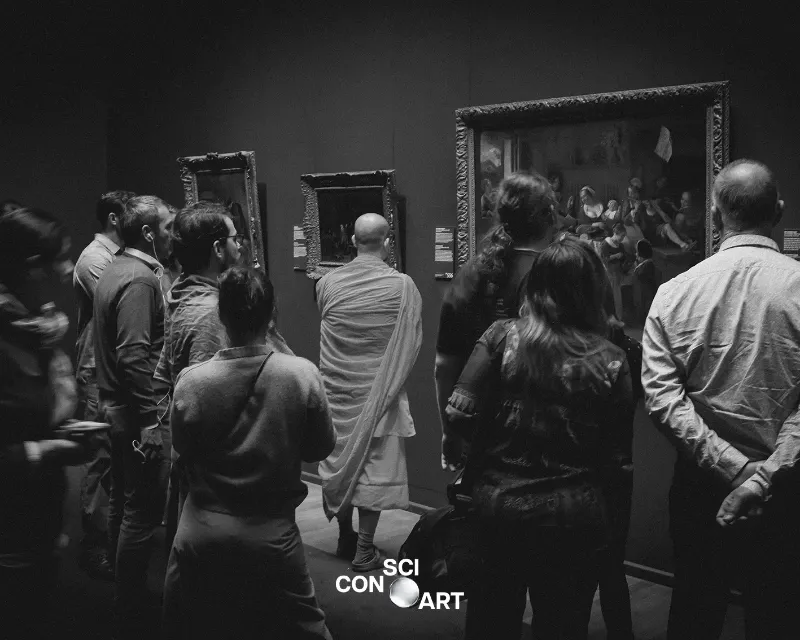
SCICCA2026 is organised by the Science Conservation Centre for Art (SCICCA) and provides a platform for sharing innovative research, emerging technologies, and best practices in heritage science and conservation. Contributions addressing both theoretical and practical aspects are highly encouraged.
The symposium fosters an international dialogue across disciplines — from analytical chemistry and digital technology to conservation ethics and community engagement — united by a shared commitment to preserving our cultural patrimony.
This is an abstract submission only conference. Accepted authors are invited to deliver oral presentations of their research. The symposium is held on-site only in Bangkok, Thailand.
Important Dates

Submit your abstract (~250–300 words) in English.

Authors will be notified of the review decisions.

Register for the symposium.

Chulalongkorn University, Bangkok, Thailand.
Conference Topics
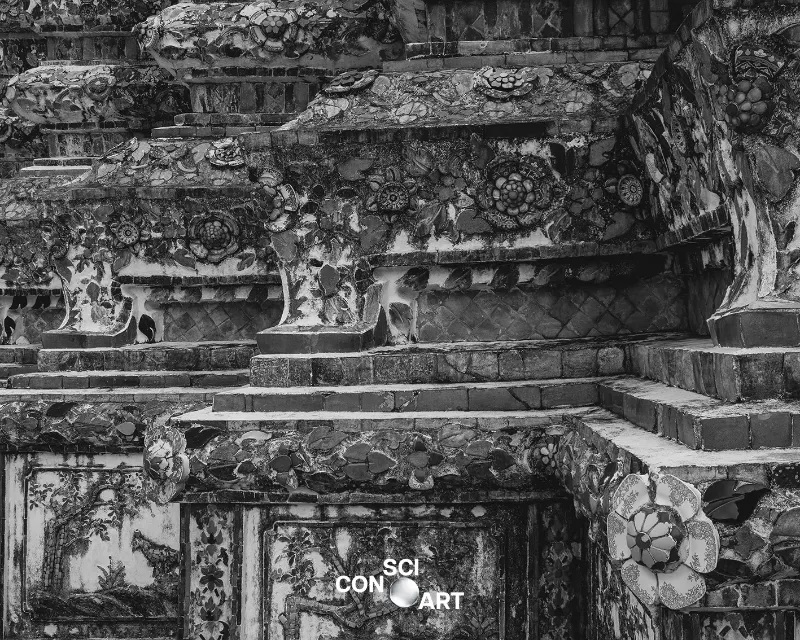
Non-invasive and non-destructive analysis, material characterization, degradation studies, archaeometry, provenance studies, and biotechnology in conservation.
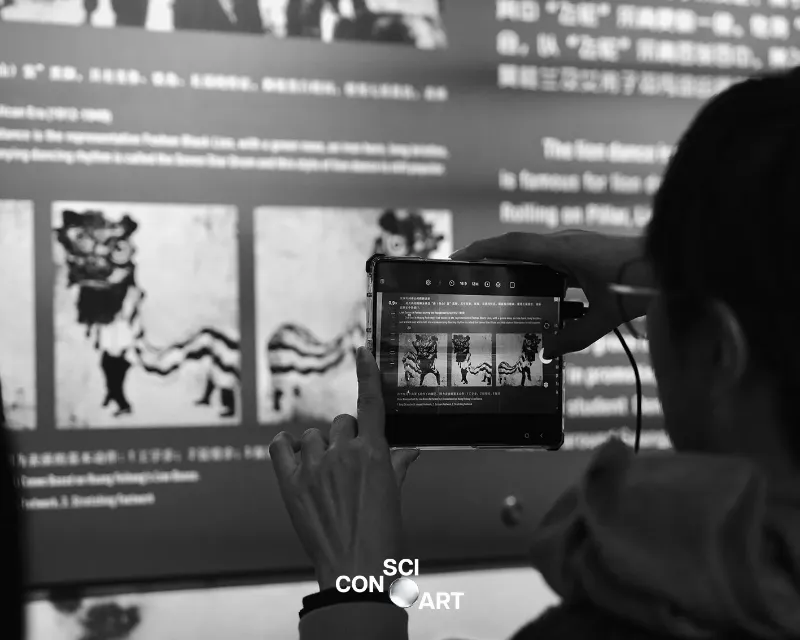
Digital heritage and collections management, artificial intelligence and machine learning applications, 3D documentation, imaging technologies, and heritage data systems.
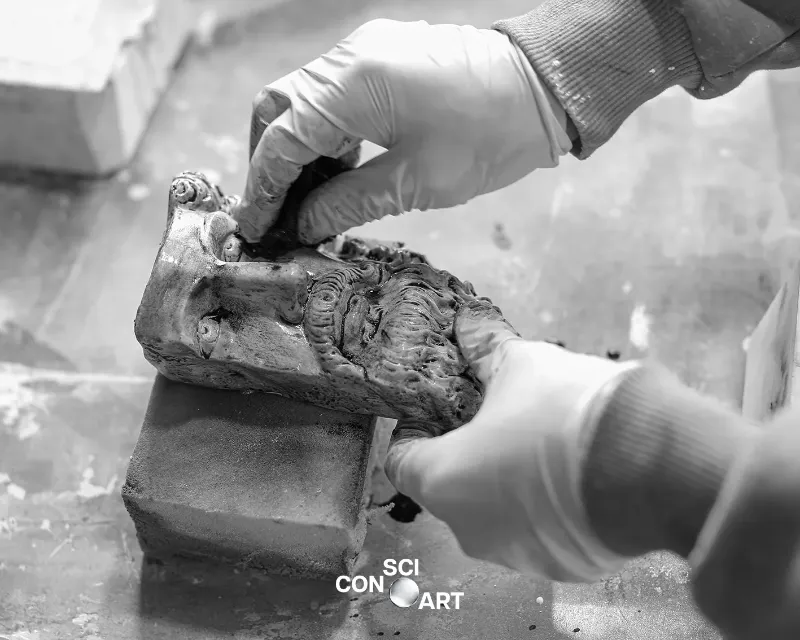
Development of advanced and sustainable materials, conservation treatments, contemporary art conservation, and technical case studies.

Climate change and its impact on cultural heritage, preventive conservation, environmental monitoring, disaster risk management, and sustainable strategies.
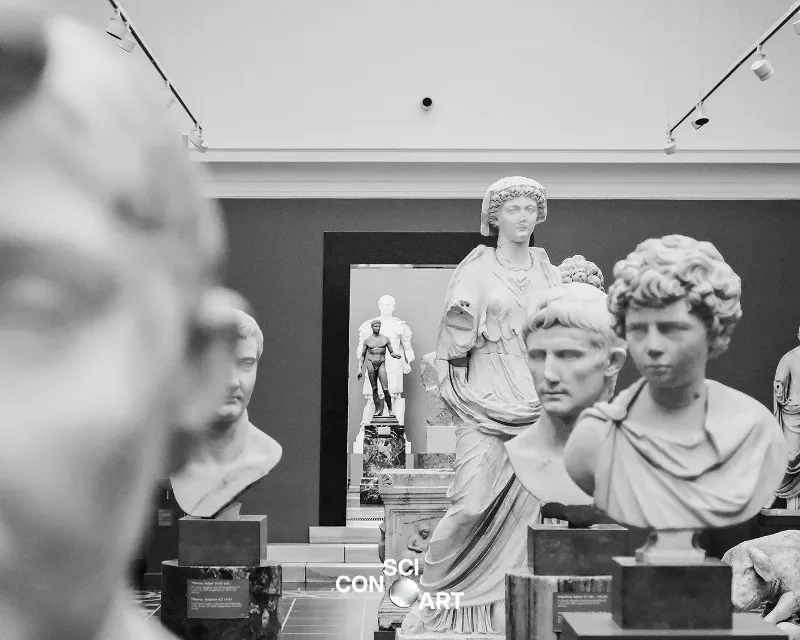
Conservation ethics, cultural policy and law, governance, community engagement, and intangible cultural heritage.
Interdisciplinary contributions related to cultural heritage science and conservation that do not fit within the above themes.
Organizing Committee

Faculty of Science, Chulalongkorn University
Science Conservation Centre for Art,
Chulalongkorn University



Academic Committee
Keynote Speakers
Bangkok — A City of Culture and Heritage
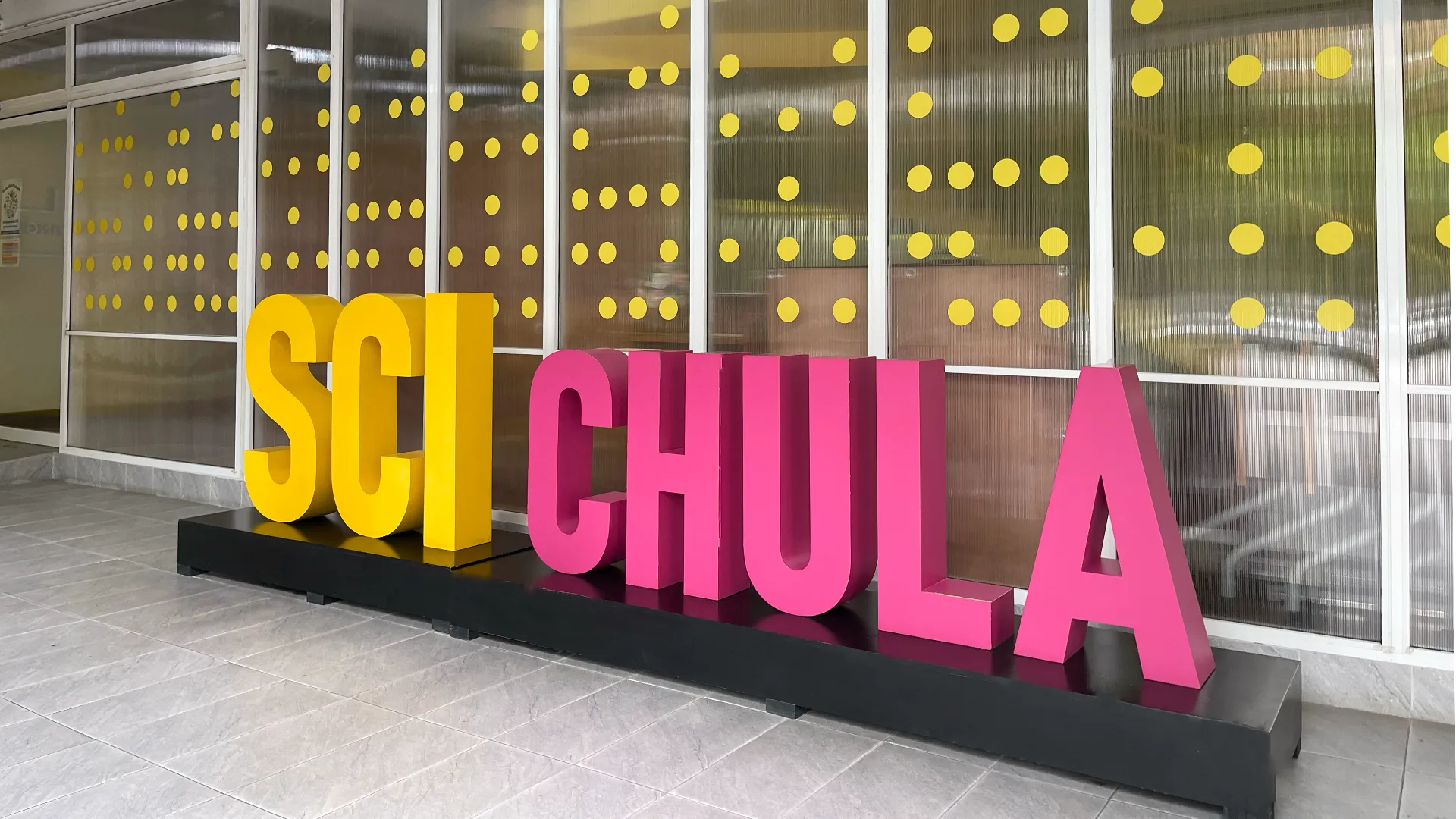
Bangkok is one of Southeast Asia's most dynamic cities, home to an extraordinary concentration of temples, palaces, museums, and living traditions. From the golden spires of Wat Phra Kaew to the vibrant street life of its historic districts, the city offers a rich backdrop for a conference devoted to cultural heritage science.
- World-class museums including the National Museum of Thailand
- UNESCO-recognised historic canals and riverfront heritage
- Excellent international transport links across Asia and beyond
- Renowned hospitality, cuisine, and cultural experiences
Conveniently located just a 10-minute walk from the MRT Sam Yan Station.
Frequently Asked Questions
Where is the conference venue?
The conference will be held at the Tab Nilanidhi Building, Faculty of Science, Chulalongkorn University in Bangkok, Thailand. It is a 10-minute walk from the Sam Yan MRT station.
How do I get here from MRT Sam Yan (Subway)?
Take Exit 2 (Samyan Mitrtown connection / Chulalongkorn University exit). From Exit 2, walk north along Phaya Thai Road through the campus entrance, and walk through the Faculty of Science grounds to the Tab Nilanidhi Building (approx. 7–10 minutes on foot).
How do I get here from BTS Siam Station?
Take the BTS to Siam Station (Exit 2 or 4). From Phaya Thai Road, you can take a pleasant 12–15 minute walk south through the university grounds. Alternatively: Take the complimentary Chula Shuttle Bus (CU POP Bus - Line 1 or 4) from the bus stop near Siam Square directly into the campus.
How do I get here by Taxi
Show the destination in Thai to your driver: อาคารแถบ นีละนิธิ คณะวิทยาศาสตร์ จุฬาลงกรณ์มหาวิทยาลัย (ตรงข้ามสามย่านมิตรทาวน์). Google Maps pin: https://maps.app.goo.gl/mkeGB8vnJaJAhUca9
What are the slide dimension requirements?
We highly recommend a 16:9 widescreen ratio to make full use of the venue's projector screens. A 4:3 aspect ratio is also acceptable, though please note it will result in black bars on the left and right sides of the screen.
Can I use my own laptop, or can I drop off my presentation file?
Yes, you can use your laptop for the presentation, and technical support will be available in the presentation room for presentation file drop-off. If you would like to use our laptop, please note that it runs Windows—so please prepare your file in PPT (PowerPoint) or PDF format. You can bring your USB thumb drive during registration or email the file to [email protected].
Who should I contact for support?
For any questions or support, please contact the organizing committee at [email protected] or [email protected].
Submit Your Abstract
Abstract submissions are now closed. Thank you to all contributors.